Supporting Wetland Wildlife: Buttonbush

Olivia Triltsch • March 5, 2026

History

Historically, buttonbush has been part of Michigan’s natural shoreline and wetland vegetation communities, helping stabilize soil and provide structure in seasonally flooded areas. Because it is well adapted to fluctuating water levels, it continues to thrive in areas where other shrubs may struggle. Buttonbush (Cephalanthus occidentalis) is a native shrub found throughout much of Michigan in wetlands, floodplains, and marshes. Unlike invasive shrubs, buttonbush evolved within North American ecosystems and has long been a component of healthy wetland systems. As Michigan transitions from winter into spring, wetlands begin to show signs of life. Among the native plants preparing to leaf out is buttonbush, a hardy shrub that supports wildlife across the state. Buttonbush is a valuable native species that benefits waterfowl, pollinators, and a variety of other wildlife.

Characteristics

Buttonbush is a multi-stemmed shrub that typically grows 6 to 12 feet tall, preferring saturated soils and is commonly found standing in shallow water or along pond and river margins. Its most recognizable feature appears in the summer as small, white flowers clustered into perfectly round, ball-shaped blooms. These spherical flower heads give the plant its common name, as they resemble buttons. The leaves of the bush are glossy, oval-shaped, and arranged opposite or in whorls along the stem.


In fall, buttonbush produces small, reddish-brown seed clusters that persist into winter. These seeds provide food for a variety of bird species, like waterfowl. Unlike invasive shrubs such as glossy buckthorn or multiflora rose, buttonbush does not form dense, impenetrable thickets. Instead, it grows in patches that provide cover while still allowing plant diversity beneath and around it. These characteristics provide a suitable habitat desirable for a variety of wildlife species.


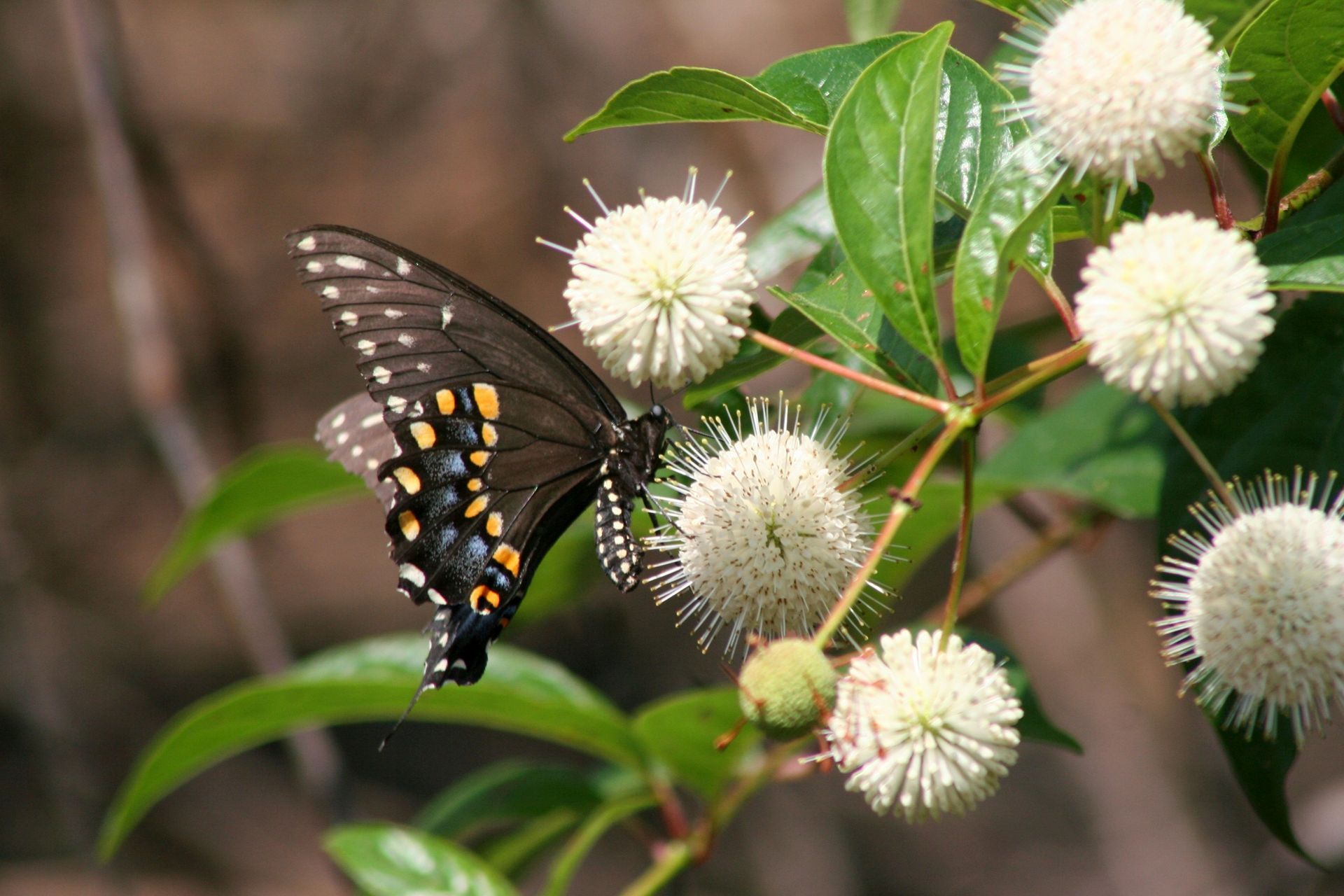
Image right: Woodland swallowtail butterfly on a buttonbush flower, courtesy of Rick Hanson, USFWS.
Conservation

Buttonbush plays a significant ecological role in Michigan wetlands. Its flowers are highly attractive to pollinators, including bees and butterflies, during the summer months. The seeds are consumed by wildlife, and the shrub’s branching structure offers nesting cover and escape habitat. For waterfowl hunters, buttonbush can be a key habitat indicator. Shallow-water areas with buttonbush often support invertebrates and provide brood-rearing habitat for ducks. Deer may also browse on young growth, particularly in wetland edge environments.


Because buttonbush is a native species, management typically focuses on protecting and encouraging its growth. In wetland restoration projects, buttonbush is sometimes planted intentionally to stabilize shorelines, reduce erosion, and improve wildlife habitat. Maintaining healthy hydrology, including natural water fluctuations, is critical to sustaining buttonbush populations.


For conservationists and sportsmen, this seasonal shift serves as a reminder that habitat work is most effective when it protects native plant communities. Whether managing private property or volunteering on public lands, preserving native shrubs like buttonbush helps maintain diverse, functional ecosystems that support waterfowl, amphibians, fish, and big game species.

Because buttonbush is a native species, management typically focuses on protecting and encouraging its growth. In wetland restoration projects, buttonbush is sometimes planted intentionally to stabilize shorelines, reduce erosion, and improve wildlife habitat. Maintaining healthy hydrology, including natural water fluctuations, is critical to sustaining buttonbush populations.


For conservationists and sportsmen, this seasonal shift serves as a reminder that habitat work is most effective when it protects native plant communities. Whether managing private property or volunteering on public lands, preserving native shrubs like buttonbush helps maintain diverse, functional ecosystems that support waterfowl, amphibians, fish, and big game species.


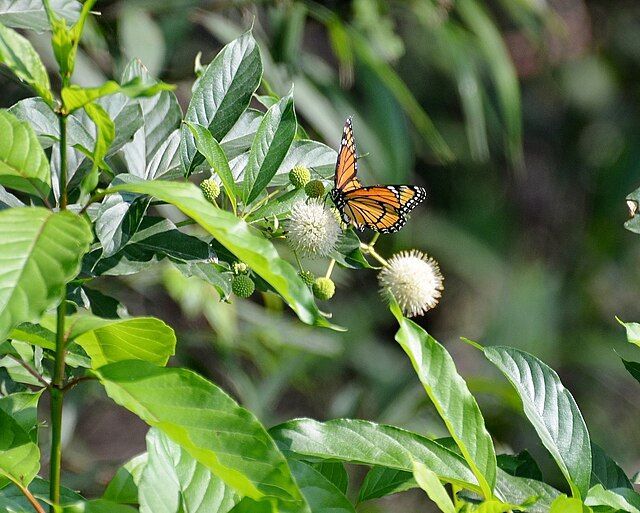
Image: Viceroy on a buttonbush flower, courtesy of Carmen Cortelyou, USFWS.

Status

Buttonbush is considered common and secure throughout much of Michigan, particularly in the southern and central portions of the state where wetland habitats remain intact. While buttonbush itself is not threatened, the wetlands it depends on face ongoing pressures from development, altered drainage, invasive species, and changing precipitation patterns. Protecting wetland ecosystems ensures that native plants like buttonbush continue to provide habitat benefits for fish and wildlife.

Learn More

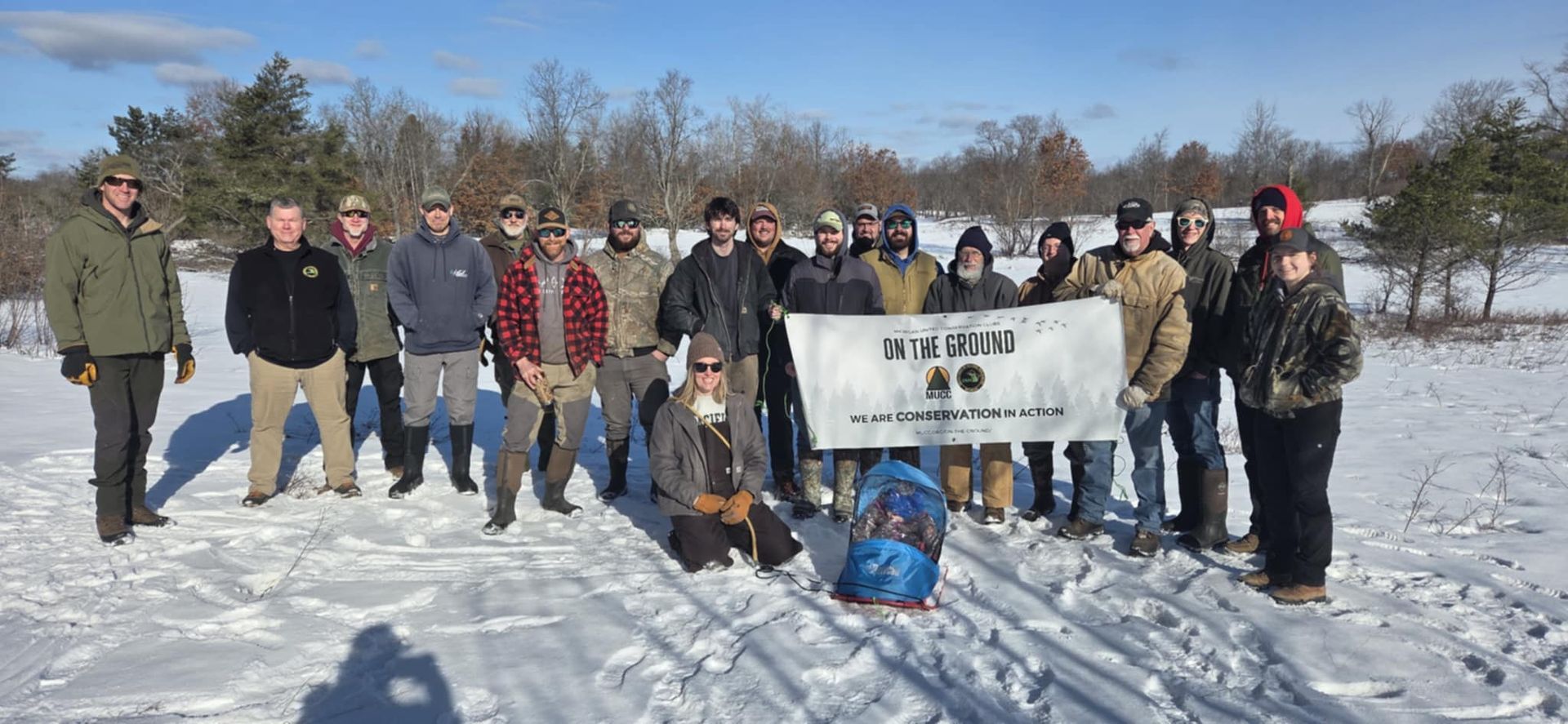
Michigan’s wetlands are among the most productive ecosystems in the state, supporting waterfowl hunting, fisheries, and countless other outdoor opportunities. Learning to identify and protect native species like buttonbush is one step toward responsible stewardship. If you are interested in helping improve wetland habitat across Michigan, consider getting involved with Michigan United Conservation Clubs (MUCC). Through its award-winning On the Ground program, MUCC hosts volunteer projects focused on habitat restoration, invasive species removal, shoreline stabilization, and access improvements on public lands. Volunteers of all backgrounds and skill levels are welcome at our projects and the necessary equipment is provided

Recent Posts

By Olivia Triltsch March 31, 2026
Volunteers Enhancing a Rare Ecosystem
By Mike Mitchell March 27, 2026
Camp idled for 2026; Looking forward to 2027
By Olivia Triltsch March 26, 2026
Invasive species continue to pose a serious threat to Michigan waters, and one fish that has raised increasing concern in recent years is the northern snakehead.
More Posts