MUCC Blog
Want to read more about what MUCC is up to? Check out some of our blog posts, we've got all the info on what's happening in Michigan Conservation!
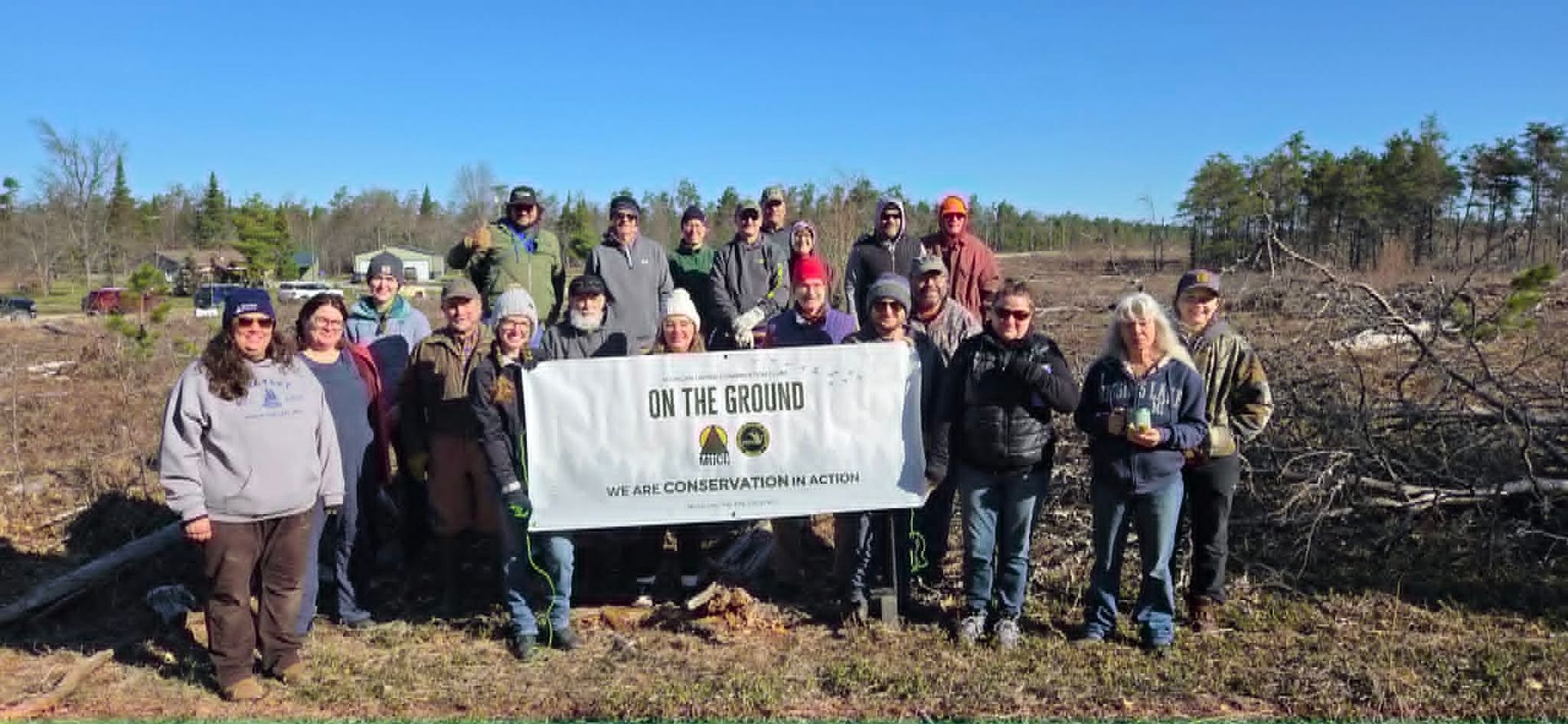
On Saturday, May 2, 2026, a group of dedicated volunteers joined Kirtland's Warbler Alliance, Huron Pines, Saginaw Children’s Zoo, and MUCC's OTG program in planting approximately 4,800 jack pine saplings within the Grayling Forest Management Unit in Crawford County. Jack pines are a critical nesting habitat feature for the once-threatened Kirtland’s warbler. In total, volunteers directly impacted about 7 acres of land were prepared by the Michigan DNR for this planting to allow volunteers to maximize their efforts across the land. This is one of our annual events that is perfect for helpers of all ages and interests.
FOR IMMEDIATE RELEASE: Michigan United Conservation Clubs (MUCC) announces its decision to dissolve after nearly 90 years of conservation advocacy, citing ongoing financial challenges and outlining next steps in an orderly wind-down process.
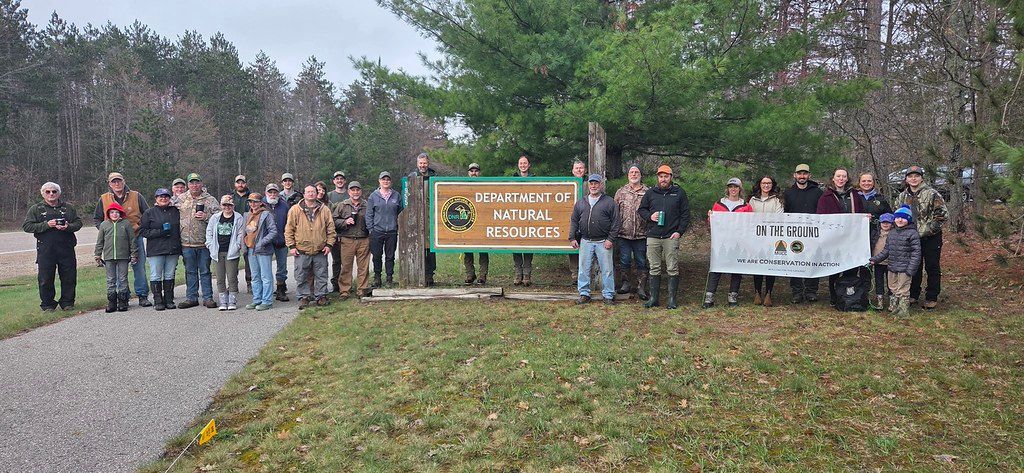
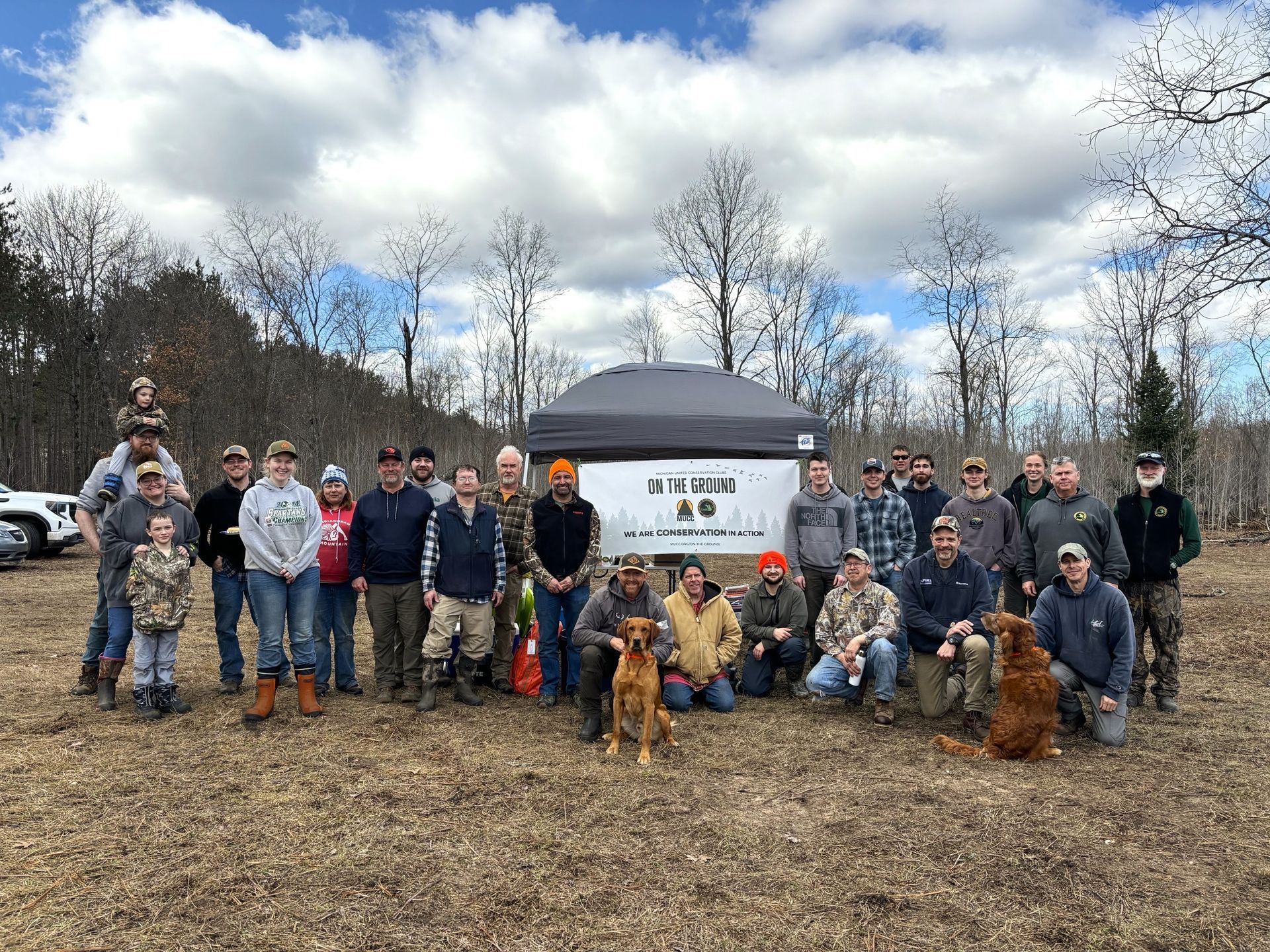
On Saturday, April 25, 2026, MUCC's On the Ground program partnered with the Michigan Department of Natural Resources (DNR), Ruffed Grouse Society, National Wild Turkey Federation, and Backcountry Hunters and Anglers for a crabapple tree planting and dump site clean-up event in the Grayling Forest Management Unit. Volunteers worked as a team to plant, compost, mulch, and fence 25 eight-foot trees at various locations in Crawford County on the public lands to offer forage for wildlife. Many species, like grouse, turkey, and deer, utilize mast-producing trees for food when other resources are not available. These trees were planted along an old logging road for both game and non-game wildlife, while enhancing the local recreational opportunities. Another group of volunteers branched off to remove trash from three dump sites on public land in Kalkaska County, which included couches, mattresses, shingles, and tires. Volunteers filled a 30-yard dumpster with trash found in the landscape in an attempt to keep the environment better than how it was found while improving future recreational opportunities. In total, volunteers directly enhanced 2.1 acres of wildlife habitat through this project.
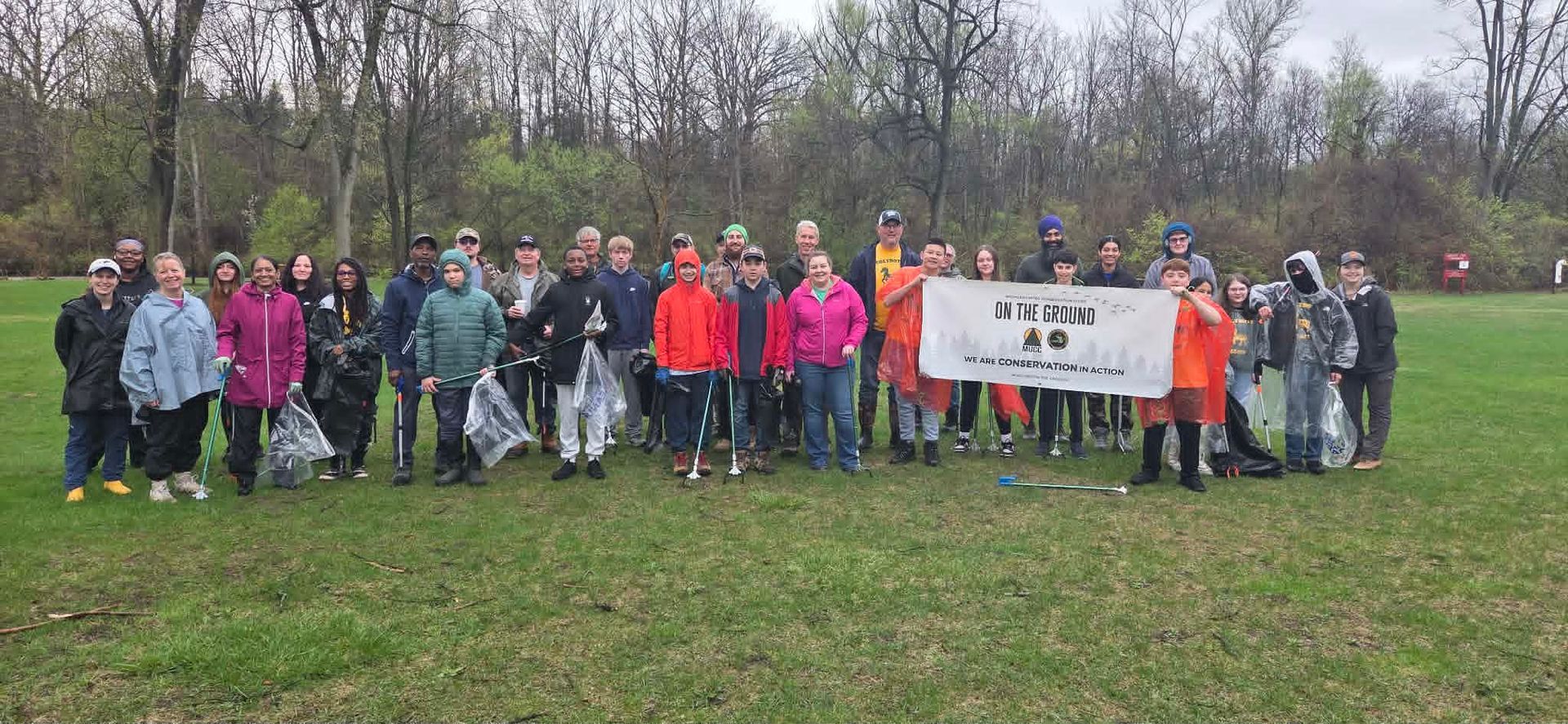
On Saturday, April 18, 2026, MUCC’s OTG program partnered with the Clinton River Watershed Council and Metro-West Steelheaders to host the annual Clinton River clean-up at Yates Park. Volunteers removed about 270 pounds of trash from the riverbanks and the surrounding watershed. Approximately 80.3 acres of fish and wildlife habitat were directly impacted by this project, in addition to improving local outdoor recreational opportunities. Cleaning up the watershed is critical for ensuring safe drinking water, safe recreation, and a clean habitat for fish and wildlife alike.
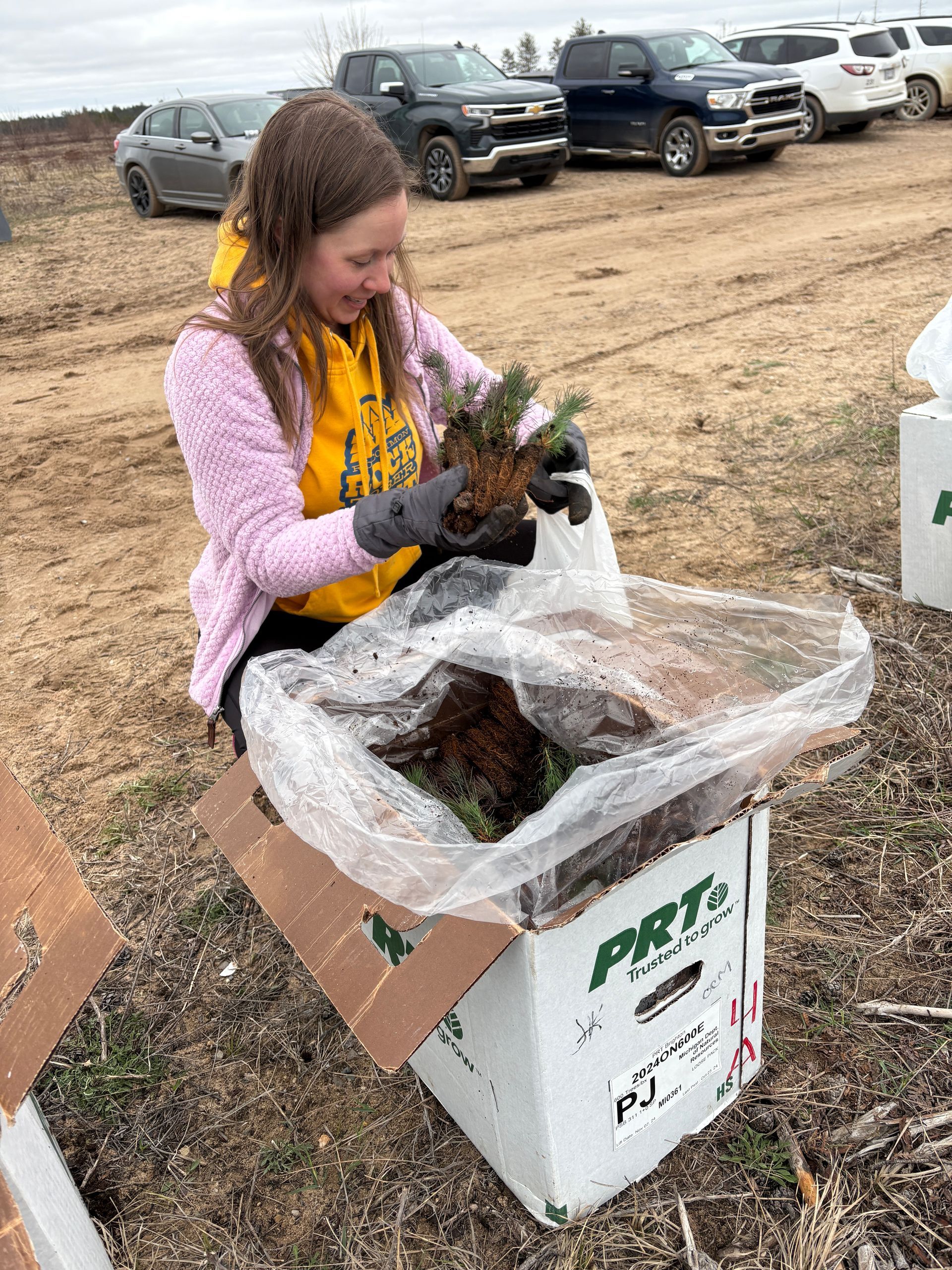
MUCC’s On the Ground (OTG) will be in the northern lower peninsula in late spring to improve habitat for wildlife. Volunteers are needed on Saturday, April 25th, from 8 AM to 12 PM and Saturday, May 3rd, from 9 AM to 2 PM to plant trees across Crawford County. These projects will take place rain or shine, except in the event of severe weather, so please dress accordingly. All registered volunteers will receive lunch and a free appreciation gift for their efforts.
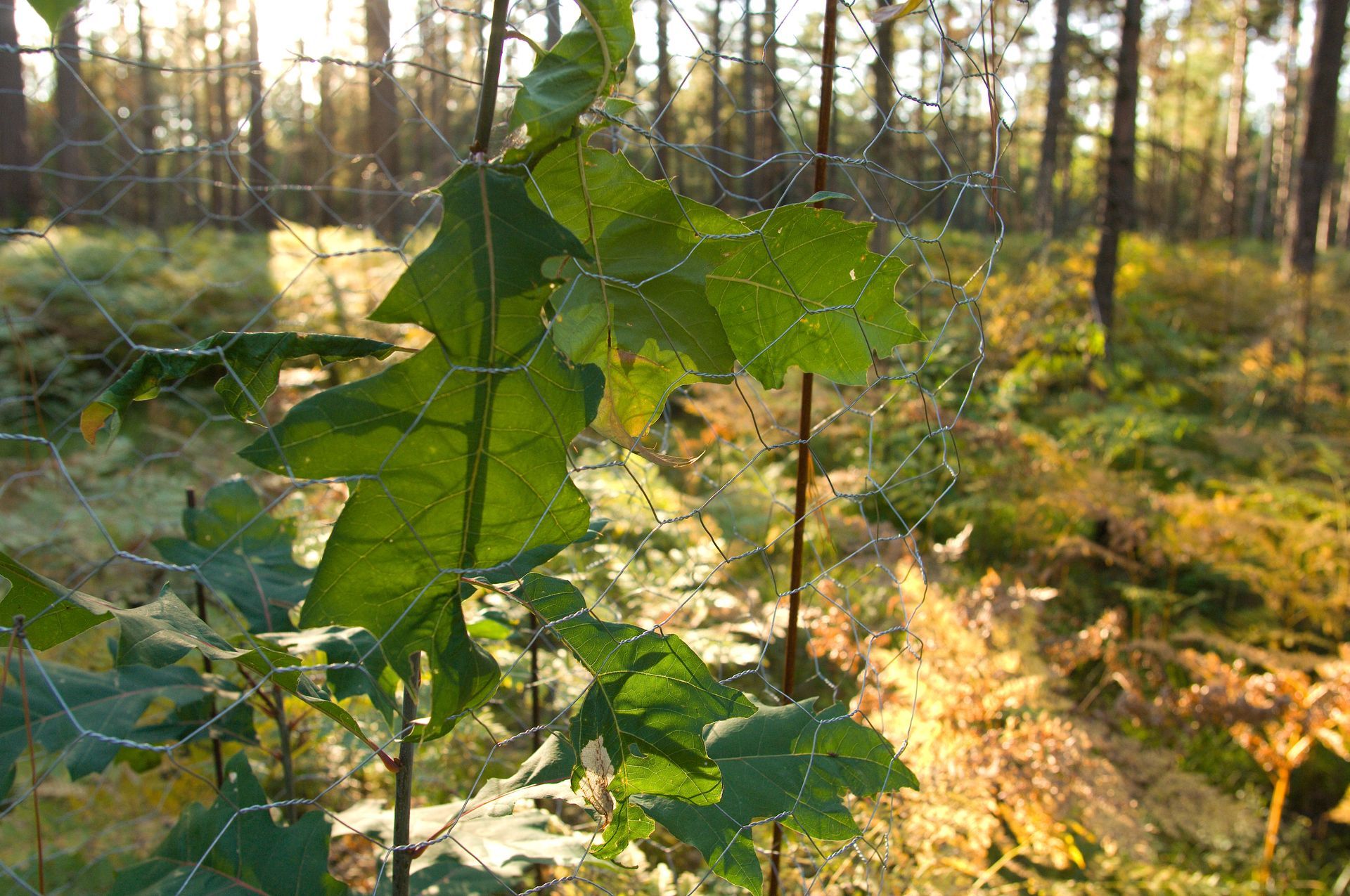
Oaks are a critical tree species for wildlife in Michigan as they provide food, cover, and long-term habitat in forests, field edges, and public lands. Both red oaks and white oaks are native to Michigan, but there are differences in management between the species, making an impact on conservation and hunting success. The growth patterns are important to understand when planning for land management due to variation in growth, acorn production (mast), and wildlife use.
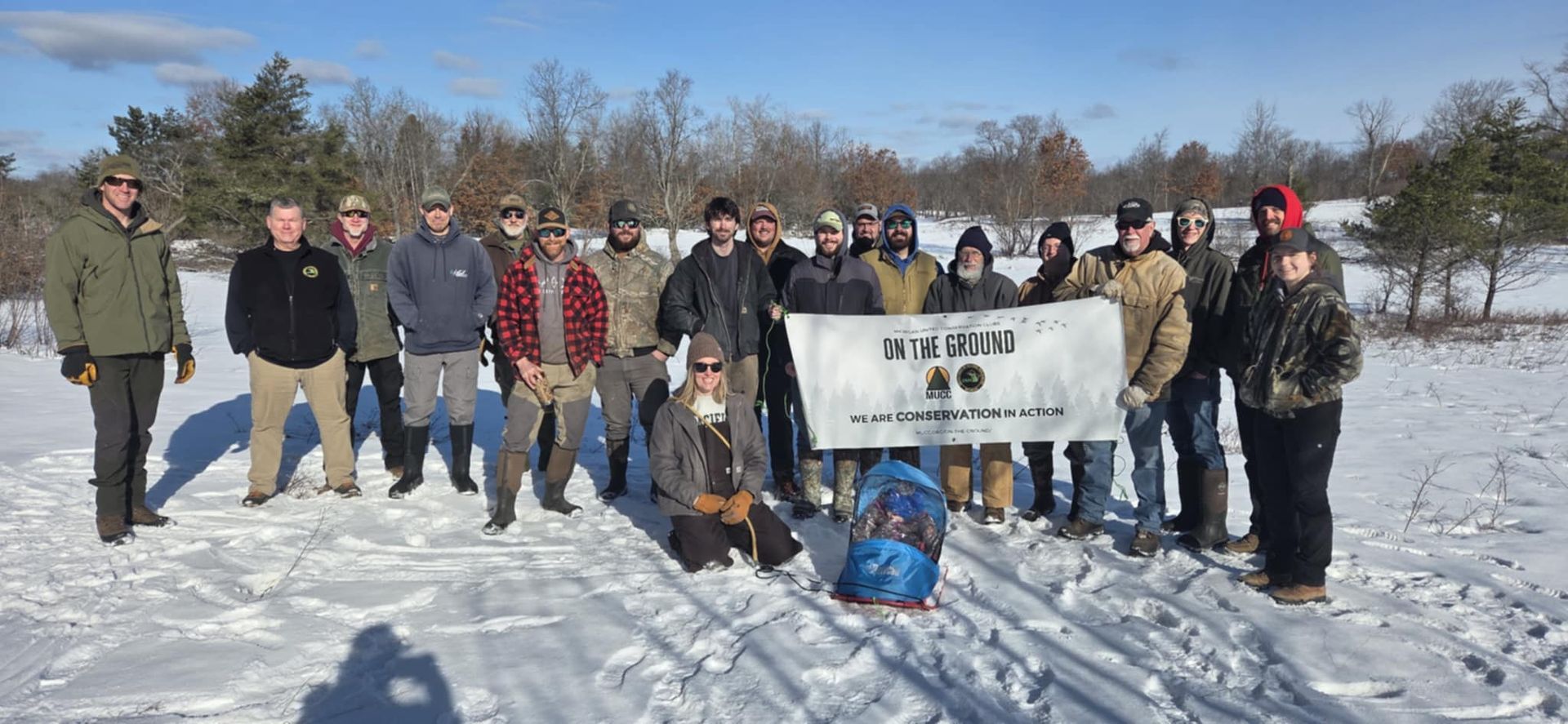
Volunteers Enhancing a Rare Ecosystem

Camp idled for 2026; Looking forward to 2027
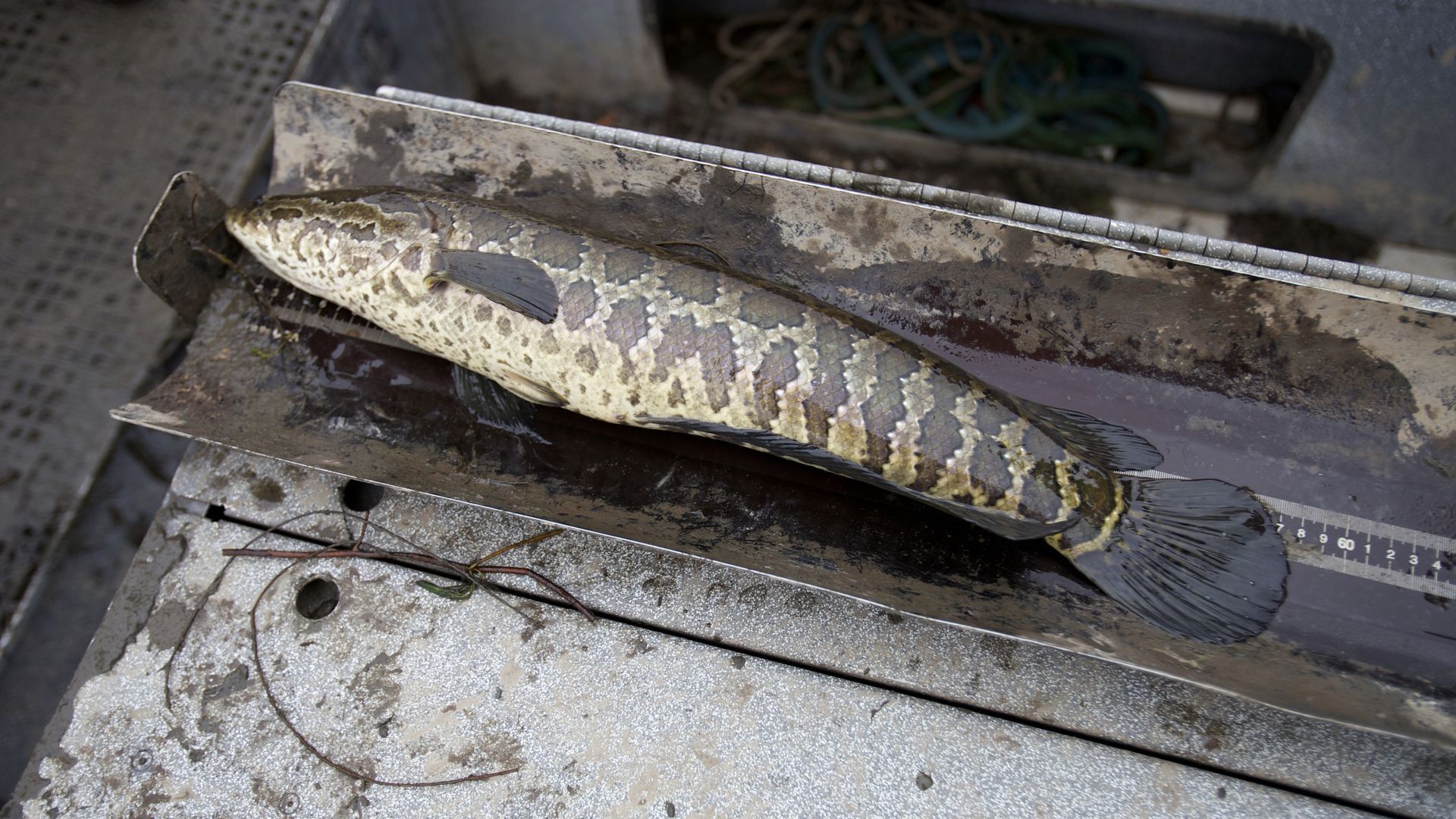
Invasive species continue to pose a serious threat to Michigan waters, and one fish that has raised increasing concern in recent years is the northern snakehead.
Improving wildlife habitat doesn’t always require heavy equipment or large-scale restoration; sometimes, it starts with something as simple as a pile of brush.