Where to find Hunter Education Classes
With fall hunting seasons right around the corner, August and September see a high demand for hunter safety classes. Whether it is parents looking for classes for their kids or new hunters trying to get ready for a first season in the field, the DNR sees a large demand for classes over the next six weeks.
There has always been more demand than available classes, but over the last few years, this trend has been exacerbated, making finding an open spot and getting registered for a class a tricky proposition. If you need to get your hunter safety certificate you may have to drive to find a class or move some of your schedule around to make the availability fit with the classes that are being offered. MUCC has hosted three courses this year and doesn’t plan to offer any others as of now. However, several of our affiliate clubs have classes coming up with space still available.
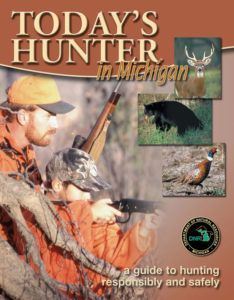
General information about the hunter safety program can be found here.
There are two primary formats for the course. There is the traditional multi-day classroom experience and there is the online course option, with Mandatory field day.
With the traditional classroom experience you can expect (field day included):
- In person, traditional classroom setting including hands on training.
- Minimum of 10 hours over a minimum of two days.
- Written test (80% or better to pass).
- Maximum $10 fee.
- Students under age 10 must be accompanied by a parent, legal guardian or other adult approved by parent or legal guardian.
For a link to find traditional classes around the state click here
With the online course and mandatory field day option you must:
- Take the approved online hunter safety course.
- Register for a field day.
- Present a copy of your certificate of completion (voucher) of the online course at the start of the field day
The field day consists of
- 4 hours minimum
- Written test (80% or better to pass)
- Maximum $10 fee
- Students under age 10 must be accompanied by a parent, legal guardian or other adult approved by parent or legal guardian.
For times and locations of field days click here.
The DNR is also always looking for volunteer instructors. For more information on how to become a volunteer please follow the link.
The post Where to find Hunter Education Classes appeared first on Michigan United Conservation Clubs.
Recent Posts