DNR Halts Future Considerations for Solar Lease on Public Land
DNR Halts Future Considerations for Solar Lease on Public Land
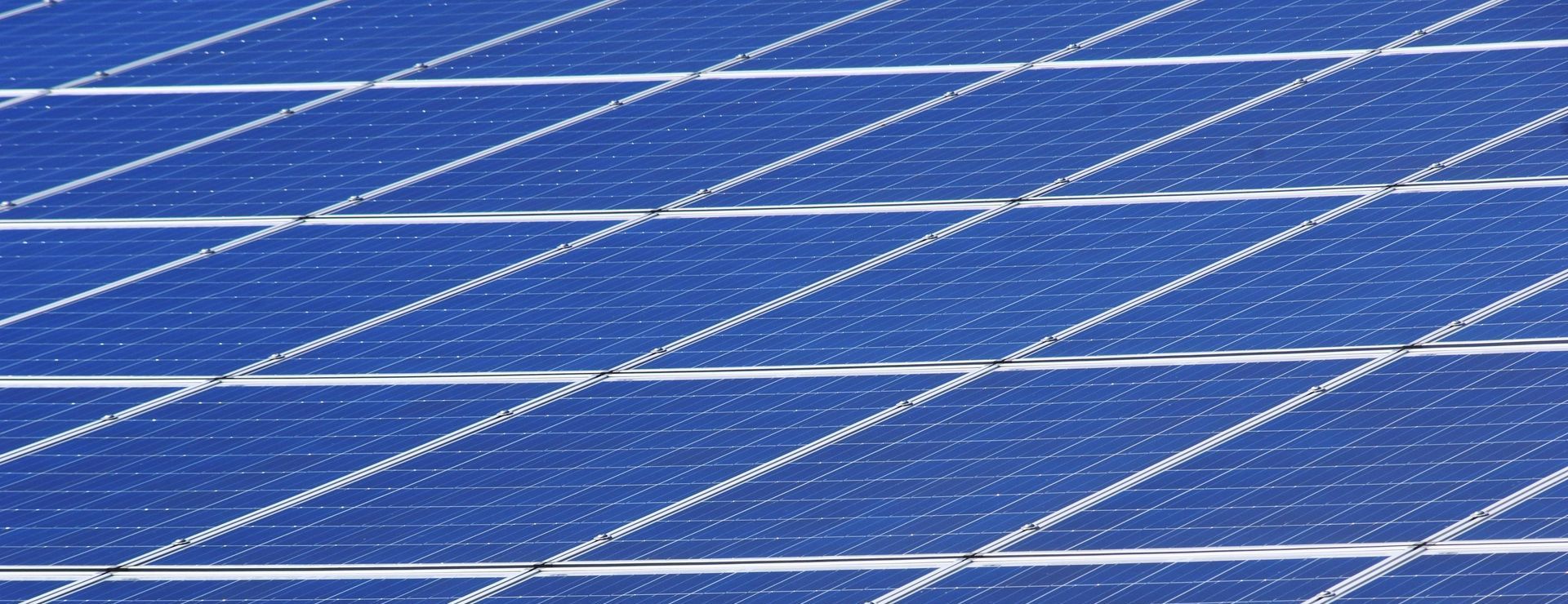
The Department of Natural Resources (DNR) recently announced they will be halting consideration of future solar arrays on public land for the foreseeable future.
According to an Mlive article, the DNR cited the public outcry for the pause.
The change came after a proposal to lease 420 acres of public land for a solar array was announced earlier in January.
The proposal for the initial 420 acres will continue with an approximate three-month comment period and may or may not result in a request for proposal (RFP) at the conclusion.
MUCC submitted a letter to the department and released a supplementing statement expounding the position of its members.
The department should not consider any further solar leases on public lands until transparent criteria are created, said Justin Tomei, MUCC Policy and Government Affairs Manager.
“The department needs to clearly define, through a public input process, what constitutes marginal lands, the parcels that are considered in a proposal, the scorecard used to decide what parcels are open for lease and include any accompanying land acquisitions to recoup lost acreage,” said Tomei. “Until that time it is not appropriate for the DNR to lease publicly owned land for these purposes. The department is doing the correct thing, listening to the recommendations of our members, and pausing these lease proposals for the time being.”
Inevitably the legislature will be considering forest planning, and solar array siting legislation in both chambers.
To ensure our natural resources remain protected and managed thoughtfully and our outdoor heritage defended, join Michigan United Conservation Clubs today: http://bit.ly/JoinMUCC.
Recent Posts