OTG: Volunteer for Wildlife at the Maple River SGA this February
lschultz • January 20, 2022

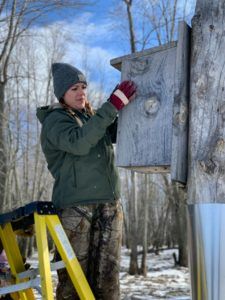
On Saturday, February 19, 2022, join MUCC and the Maple River Wildlife Association at the Maple River SGA to place new wood duck nest boxes and perform maintenance on existing wood duck nest boxes.


Volunteers will meet at 9 a.m. at the DNR barns located at 9858 Crapo Road, just south of Ranger Road in Ashley (Google Maps Coordinates: 43°08’56.8″N 84°31’26.5″W ). Volunteers are encouraged to dress in warm layers for the cooler weather and to wear insulated and waterproof boots. MUCC will provide lunch, water, and an OTG volunteer carabiner mug or t-shirt to all registered volunteers.


Registration opens January 5, 2022, and closes February 17, 2022.  Sign up to attend and spend a great day outdoors helping Michigan wildlife! 

Recent Posts

By Olivia Triltsch April 23, 2026
On Saturday, April 18, 2026, MUCC’s OTG program partnered with the Clinton River Watershed Council and Metro-West Steelheaders to host the annual Clinton River clean-up at Yates Park. Volunteers removed about 270 pounds of trash from the riverbanks and the surrounding watershed. Approximately 80.3 acres of fish and wildlife habitat were directly impacted by this project, in addition to improving local outdoor recreational opportunities. Cleaning up the watershed is critical for ensuring safe drinking water, safe recreation, and a clean habitat for fish and wildlife alike.
By Olivia Triltsch April 16, 2026
MUCC’s On the Ground (OTG) will be in the northern lower peninsula in late spring to improve habitat for wildlife. Volunteers are needed on Saturday, April 25th, from 8 AM to 12 PM and Saturday, May 3rd, from 9 AM to 2 PM to plant trees across Crawford County. These projects will take place rain or shine, except in the event of severe weather, so please dress accordingly. All registered volunteers will receive lunch and a free appreciation gift for their efforts.
By Olivia Triltsch April 9, 2026
Oaks are a critical tree species for wildlife in Michigan as they provide food, cover, and long-term habitat in forests, field edges, and public lands. Both red oaks and white oaks are native to Michigan, but there are differences in management between the species, making an impact on conservation and hunting success. The growth patterns are important to understand when planning for land management due to variation in growth, acorn production (mast), and wildlife use.
More Posts