State Game Area Highlight: Gratiot-Saginaw SGA
Written by Makhayla LaButte, MUCC Habitat Volunteer Coordinator
Comprised of nearly 17,000 acres, the Gratiot-Saginaw State Game Area (SGA) is one of the largest managed wildlife areas in the Lower Peninsula. During its acquisition by the State of Michigan in 1939, much of the land that now makes up the Gratiot-Saginaw SGA was agricultural fields and cut-over areas. As time passed, plant succession eventually led to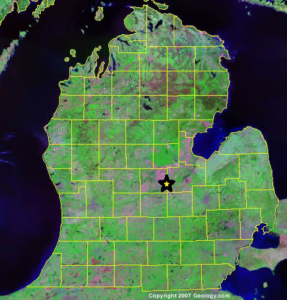 much of the area becoming forested. Select portions within the SGA were modified to create wetlands to promote habitat for waterfowl and furbearing species, and these areas continue to be managed to ensure habitat quality and hunter access.
This SGA features game species like wild turkey, ruffed grouse, white-tailed deer, cottontail rabbit and an abundance of waterfowl and furbearing species. Due to the expanse of the SGA, there are a variety of habitat types to provide foraging material and cover for these species. The DNR continues to restore and enhance different portions of the land to better sustain the wildlife populations found there.
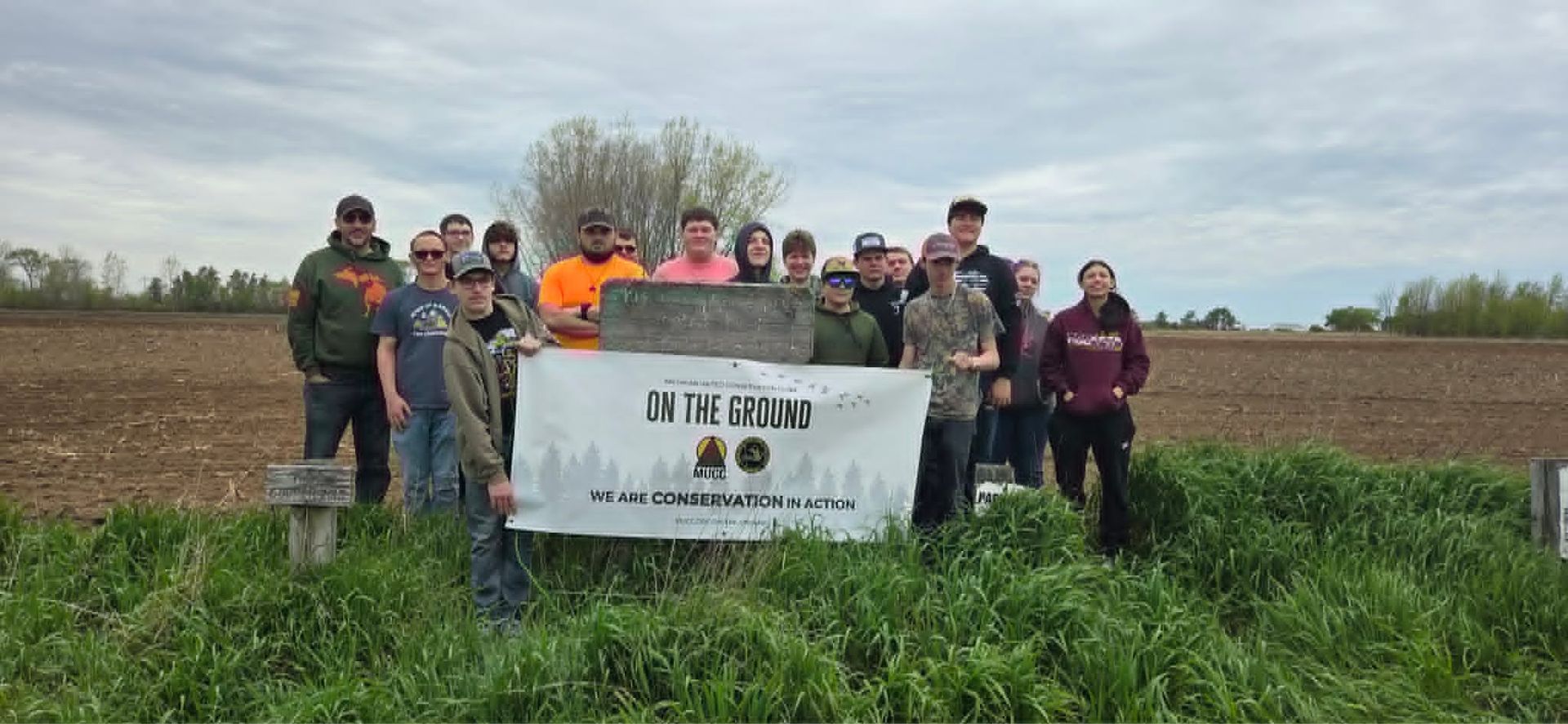
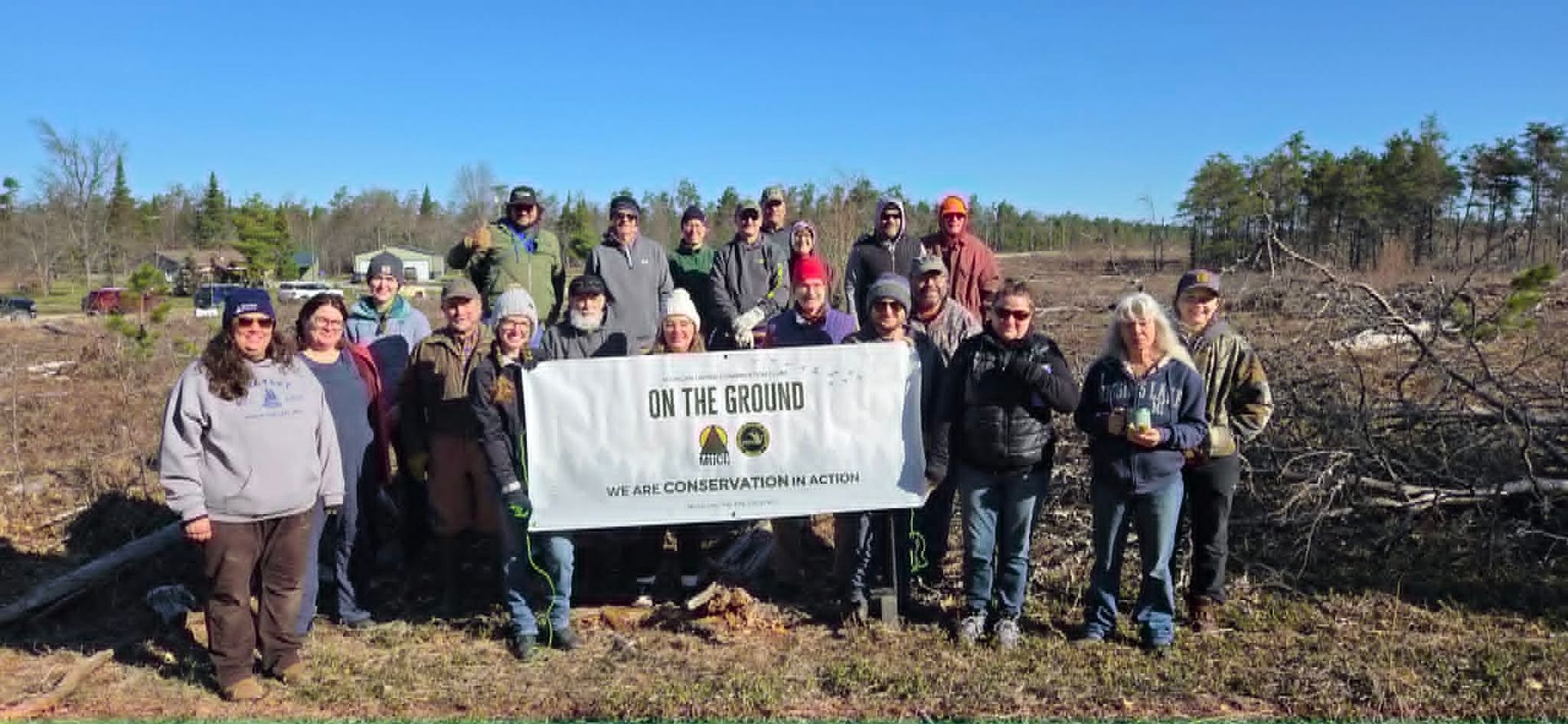
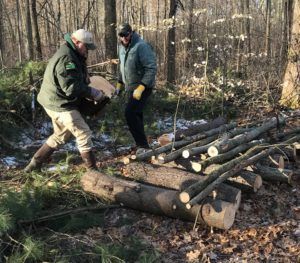
In partnership with Michigan DNR Wildlife Division biologists and technicians, the Gratiot-Saginaw SGA has benefited from wildlife habitat work by MUCC On the Ground (OTG) volunteers since the start of the program in 2013. In fact, the first OTG project was held at the Gratiot-Saginaw SGA in March of 2013 and involved volunteers building brush piles for rabbit habitat (rabbitat). Every year since the start of the program, volunteers have improved habitat for wildlife in this state game area. Such improvements involve the creation of brush piles for rabbitat, clearing of user-access trails, dike clearing and maintenance and grassland restoration efforts.
 Despite its proximity to major cities like Saginaw, Lansing and Flint, the Gratiot-Saginaw SGA is located in a rural setting across Gratiot and Saginaw counties. There have been quality hunting opportunities reported for a variety of game species in this unique management area, and the OTG program looks forward to returning to the area in 2020 to continue the tradition of giving back to Michigan’s natural resources.
Information about this state game area was adapted from the DNR Master Plan for the Gratiot-Saginaw SGA.
Please contact MUCC Habitat Volunteer Coordinator Makhayla LaButte at mlabutte@mucc.org with questions or comments regarding the OTG program or visit mucc.org/on-the-ground for more information.
The post State Game Area Highlight: Gratiot-Saginaw SGA appeared first on Michigan United Conservation Clubs.
Recent Posts