Steve Windom joins MUCC staff as development, membership director
Windom hopes his background, outlook will help MUCC grow financially, collectively
Conservation means different things to different people.
Digging into what motivates members and conservationists to become involved with Michigan United Conservation Clubs will be an important task early on, said Steve Windom, the new MUCC director of development and membership.
“Conservation shapes every Michander differently, but it keeps us connected and looking towards a better future collectively,” Windom said. “I look forward to engaging with MUCC members at events and in the fields, woods or waters — wherever members need me.”
Working the last three years as the senior director of development in Michigan for the Alzheimer’s Association, Windom led a team of 10 staff covering the tip of the Keweenaw Peninsula down to St. Joe and Detroit. Prior to the Alzheimer’s Association, Windom was the area director for the American Foundation for Suicide Prevention.
At the Alzheimer’s Association, Windom oversaw an annual portfolio of $2.4 million, organized 25 walks statewide to engage communities and educate about Alzheimer’s disease, and created impactful, lasting relationships in the community.
MUCC is excited and confident in its decision to hire Windom, said MUCC Executive Director Amy Trotter.
“Steve’s past experience, skills and personality are assets the organization is excited to have and put to use as we look toward growing our financial means and mission reach,” Trotter said. “His experience as a fundraiser, community-builder and hunter and angler make him an invaluable asset to the team.”
Windom hopes to build on MUCC’s funding base by expanding the organization’s major gifts and planned giving opportunities (retirements, bequests, trusts). Corporate partnerships is an area Windom hopes to start growing immediately, he said.
“Every nonprofit depends on unrestricted giving to deliver its mission for members,” Windom said. “MUCC is no different, and I look forward to broadening the organization’s funding portfolio and working to create meaningful relationships with partners.”
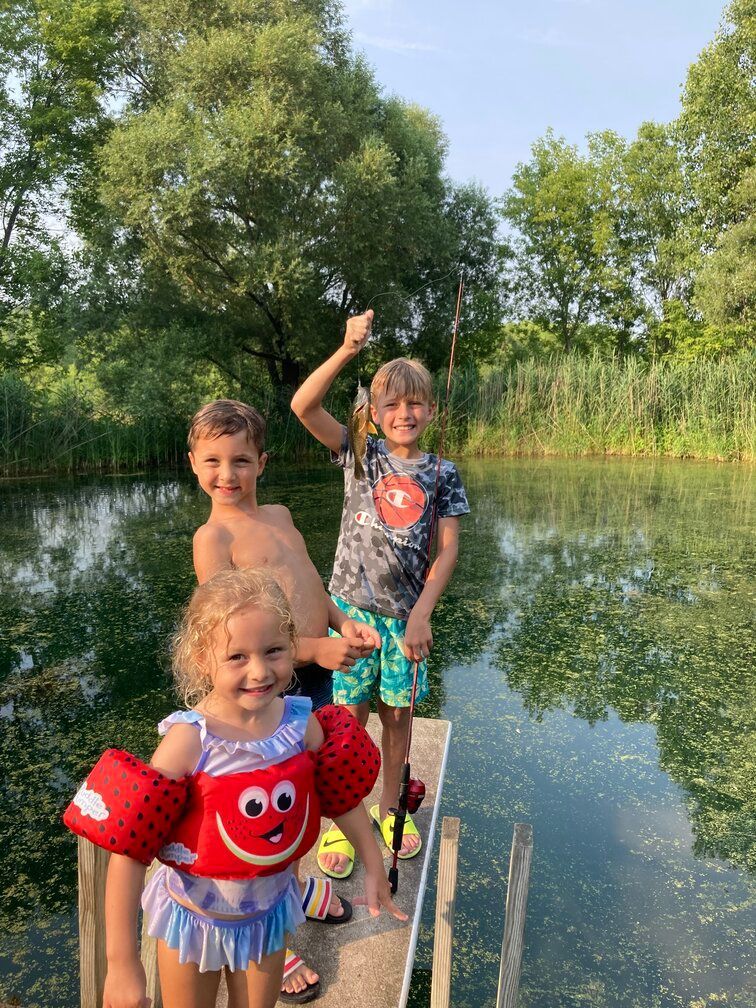
In his spare time, Windom enjoys hunting for white-tailed deer and turkeys. He likes to fish for all species in Michigan.
He and his wife, Amy, live in Livonia with their three kids — Nolan, 11, Steven, 9, and Camryn, 5. Windom coaches his kids’ soccer and baseball teams. When he is not hunting or fishing, he plays co-ed softball, hockey and manages real estate.
The post Steve Windom joins MUCC staff as development, membership director appeared first on Michigan United Conservation Clubs.
Recent Posts