Week Two- The Campers Return
Returning from the holiday break and launching into week two our camp staff returned excited to be back. Camp Director Bass has a relaxing week playing disc golf all over the state and others on staff used the week to recharge and visit friends and family.
Week 2 hosted three of our programs for our 9-11 age group. We had 68 campers join us this week. The campers joined us to focus on our Conservation Connection, Fantastic Forests and Fishing Camps. With the warm weather this week, we made sure our campers spent lots of time using and learning about the water resources we have at Cedar Lake and highlighting the importance of freshwater. We focus on not only the lake but also how forests use water and how water and trees play a role in habitat for fish and wildlife.
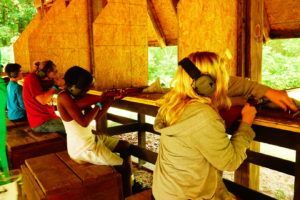
Campers practicing their target shooting on the .22 range
This week the campers spent their week exploring the woods, learning about timber practices and what makes a healthy forest, splashing in the streams looking for macroinvertebrates, and on the water learning canoeing and kayaking skills. I hope that they will be able to use these skills for the rest of their life. Canoeing and kayaking is a highlight for all of our program groups.
Similar to week one we also had our conservation connection curriculum running. This keystone program had the campers on the rifle range, building survival shelters and catching fish. Our other popular program of the week was a fishing camp. With the warm temperatures, the kids spent a lot of time wading in the water. Lucky for our campers the bluegill and small bass are never too warm or too good to eat a worm.
On the Hunter Education front, we had about 40 campers take the course this week. On top of a full day on the rifle and archery ranges, these campers had the chance to spend two hours each day of classroom instruction learning how to be safe and responsible hunters and firearm users. For the campers who already have their hunter safety card, they focused on learning the principles of Leave No Trace.
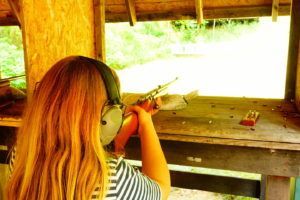
Taking the shot
Starting on July 14, we will have our first week of older campers. We have several guest speakers prepped for the Hunting Heritage program including three members of MUCC staff. We will also be sending the Stewards in Training campers on a 15-mile backpacking trip into the Waterloo Recreation Area for overnight.
Check back in next week to see how our week 3 with the 12-15-year-olds went. With week 2 of campers in the books, we are now already halfway through our season. Where is the summer going?
The post Week Two- The Campers Return appeared first on Michigan United Conservation Clubs.
Recent Posts