May TRACKS- Print and Digital

lschultz • May 15, 2020

We here at MUCC are dedicated to doing our best to continue to do our work for conservation as we adapt to the changes around the nation. In an attempt to continue to provide science-based education to our schools and homes around the state, we have made a change to the distribution of TRACKS Magazine. With schools closed through the remainder of the school year, but teachers still in need of content, we are providing a hybrid distribution model this month. With a subscription rate of about 13,000 readers with more than 12,000 of those issues going to classrooms, we are hoping to serve our clubs, teachers and their students in the short term by taking this approach.

For May, we have decided to print hard copies of TRACKS for teachers to be able to send home as part of the packets many school districts are using and we will make a version available through e-mail for those districts with a digital preference.

 If you would like to download the issue to distribute to your students, please reach out to Editor Shaun McKeon (smckeon@mucc.org) and he can send you a PDF version of the magazine.

This month’s issue is all about lake sturgeon. Your children and students will have the opportunity to learn about this long-lived fish, some of the struggles the species has faced and some of the success biologists have had to increase their populations.

This is the last issue for the 2019-2020 school year. We hope your students and families enjoyed learning about that Great Lakes wildlife and we look forward to you joining us again in October for the 43rd year of TRACKS. If you have any questions, please reach out to Shaun McKeon, MUCC Education Director/TRACKS Editor, and he will do his best to assist you and your classroom. Once again the email is smckeon@mucc.org.

Recent Posts

By Olivia Triltsch May 21, 2026
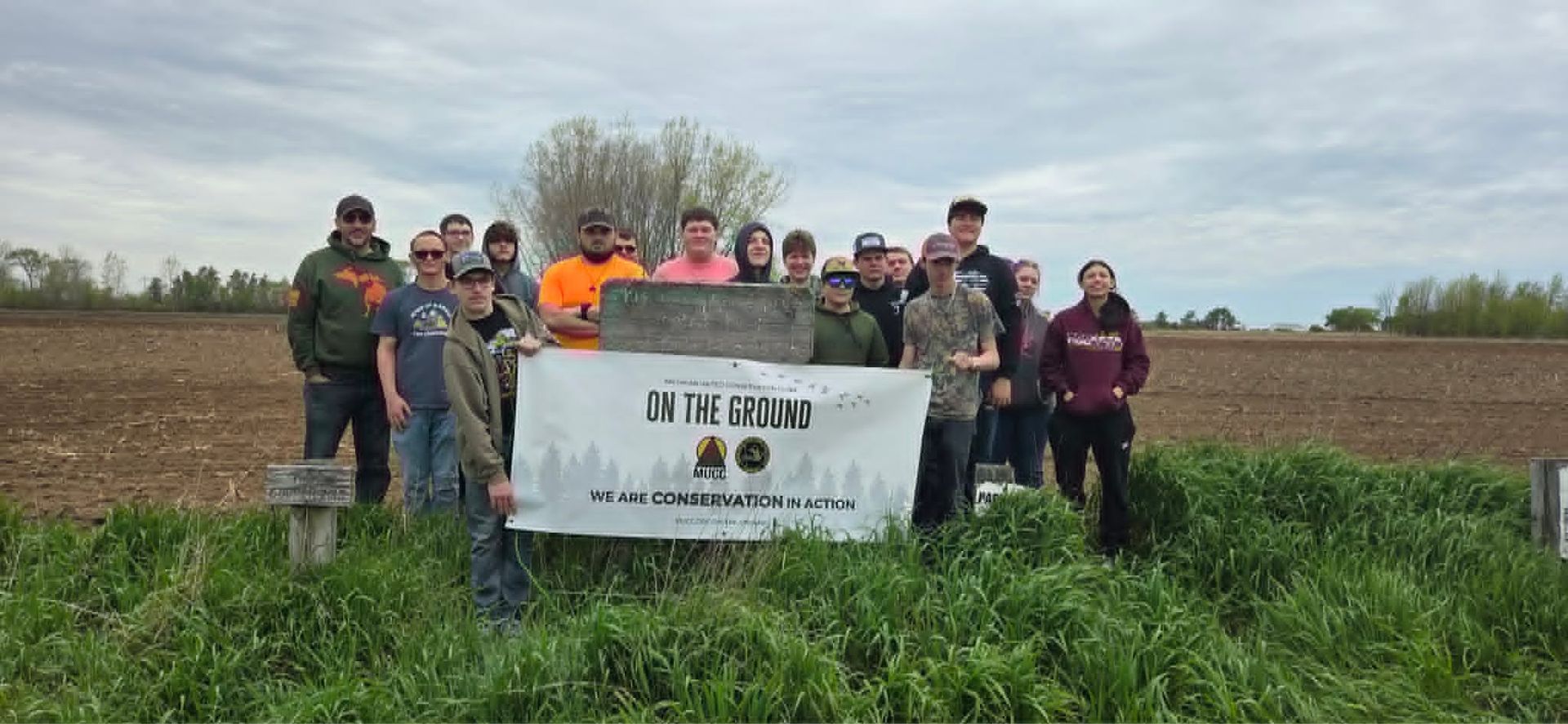
On Friday, May 15, 2026, high school students who are part of the Reese High Outdoors Club joined MUCC’s On the Ground Junior program and the Michigan Department of Natural Resources (DNR) at the Denmark Township Mini State Game Area. Students completed a wildlife habitat improvement project by clearing a grassland habitat of invasive woody growth maintained for pheasants. Using the cut vegetation from the area, students constructed several large brush piles throughout the site to benefit small mammals and other wildlife in the area. Maintaining open grassland habitat is important for supporting species that rely on early successional cover for cover or feeding. Due to suppression of natural disturbances, active management helps to control woody vegetation from gradually overtaking the areas and reducing habitat quality for species that rely on the grassland. The project area is near fields planted by the DNR to provide both habitat and food sources for wildlife, making these improvements part of a larger habitat management effort on the property. In total, students directly improved 10 acres of wildlife habitat through this project. Beyond the on-the-ground impact, the event also allowed students to try a hands-on conservation experience and the ability to contribute to habitat management and public land stewardship in Michigan. Projects like this continue to demonstrate the value of engaging the next generation in Michigan's outdoor heritage and wildlife conservation efforts.
By Olivia Triltsch May 7, 2026
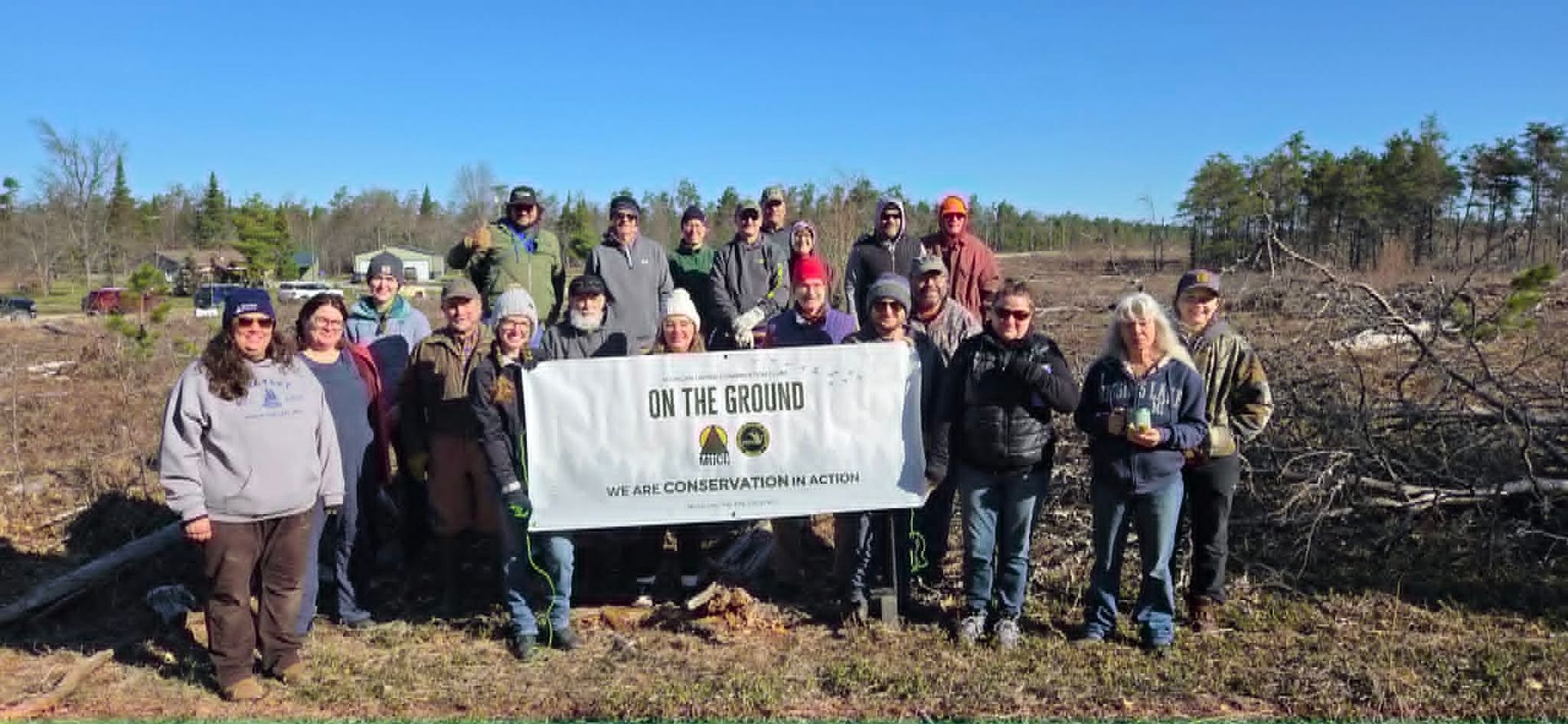
On Saturday, May 2, 2026, a group of dedicated volunteers joined Kirtland's Warbler Alliance, Huron Pines, Saginaw Children’s Zoo, and MUCC's OTG program in planting approximately 4,800 jack pine saplings within the Grayling Forest Management Unit in Crawford County. Jack pines are a critical nesting habitat feature for the once-threatened Kirtland’s warbler. In total, volunteers directly impacted about 7 acres of land were prepared by the Michigan DNR for this planting to allow volunteers to maximize their efforts across the land. This is one of our annual events that is perfect for helpers of all ages and interests.
May 4, 2026
FOR IMMEDIATE RELEASE: Michigan United Conservation Clubs (MUCC) announces its decision to dissolve after nearly 90 years of conservation advocacy, citing ongoing financial challenges and outlining next steps in an orderly wind-down process.
More Posts